Internal linking is one of the few SEO tactics that’s completely under your control—and yet it’s still one of the most misunderstood.
Most sites either:
- Don’t do internal linking at all
- Or do it randomly, without strategy
Both approaches leave rankings on the table.
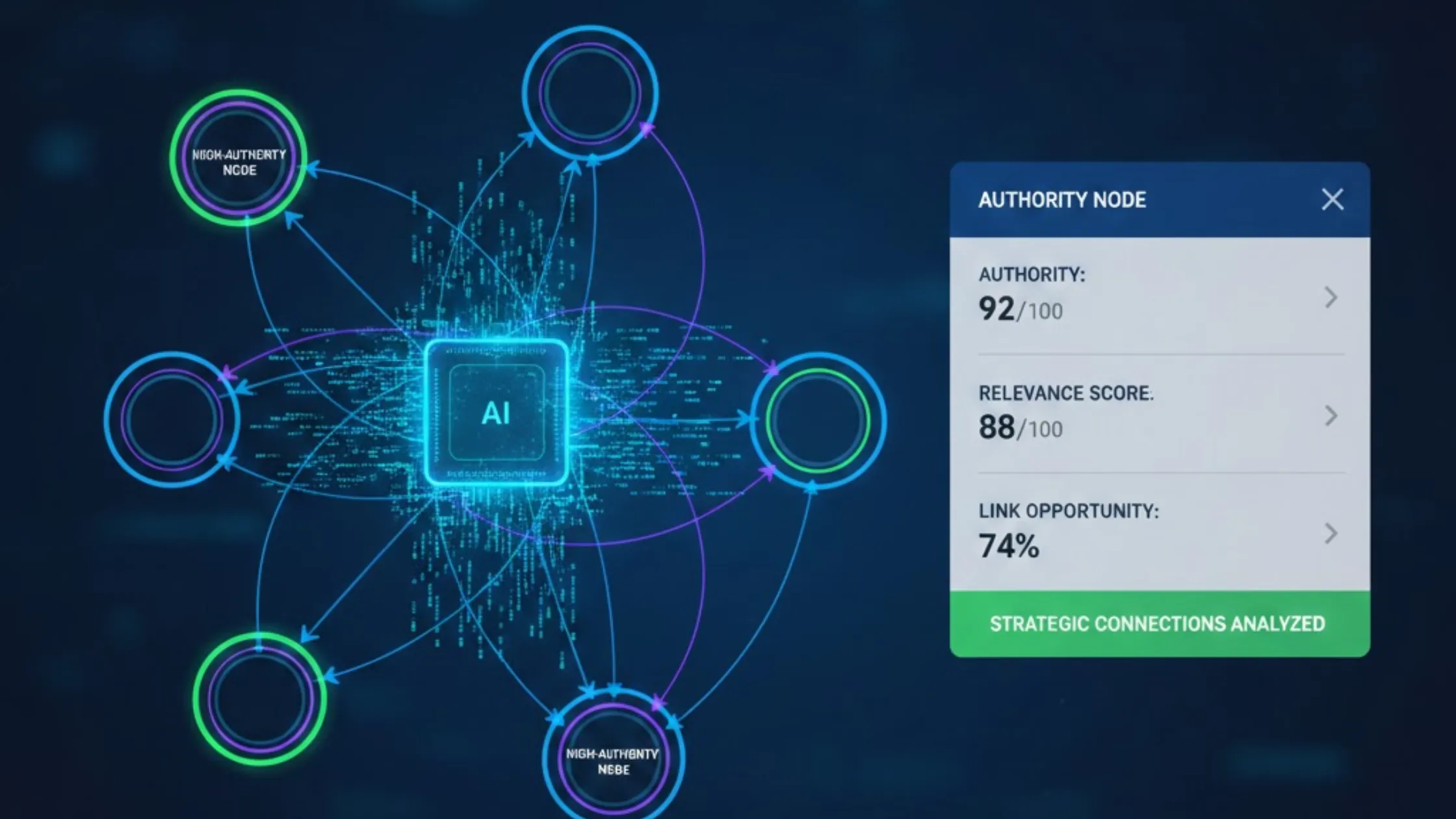
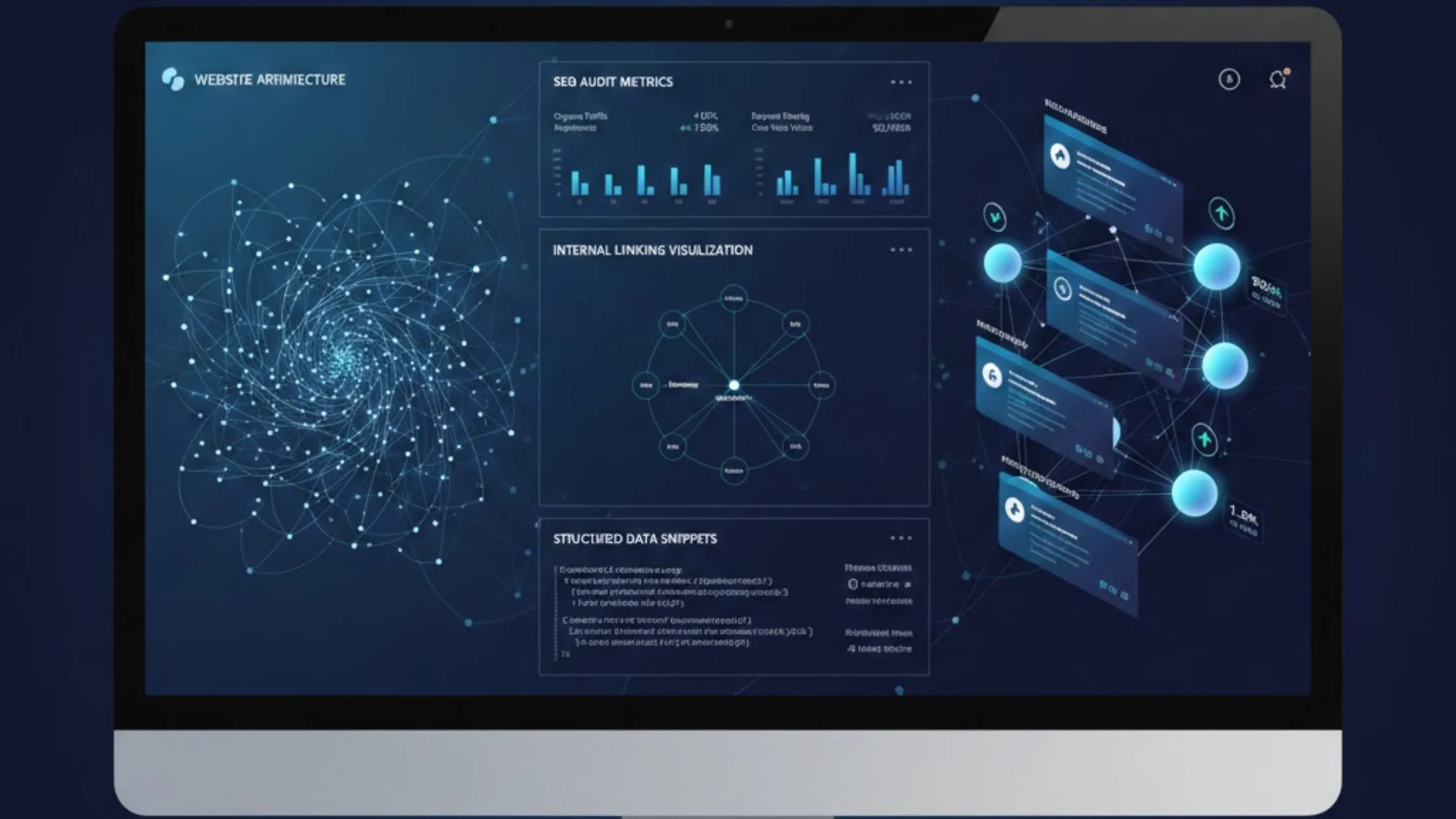
A strong internal linking strategy helps search engines understand your site structure, distributes authority across pages, and guides users toward high-value content. When done right, it can noticeably improve rankings without creating new content.
This guide breaks down internal linking, internal linking SEO, and how to implement a scalable system—especially when paired with AI-driven tools and services.
Let’s walk through it step by step.
What Is Internal Linking (And Why It Matters)
Internal linking refers to hyperlinks that connect one page of your website to another page on the same domain.
From an SEO perspective, internal links help:
- Search engines discover pages
- Distribute link equity
- Establish topical relationships
- Signal content importance
- Improve crawl efficiency
From a user perspective, internal links:
- Improve navigation
- Reduce bounce rates
- Increase time on site
- Guide readers to relevant information
That dual role is why internal linking SEO is so powerful.
Why Internal Linking Is a Ranking Lever
External backlinks get all the attention, but internal links quietly influence how much value those backlinks actually pass through your site.
Here’s what a strong internal linking strategy does:
- Push authority from high-traffic pages to strategic pages
- Help newer content rank faster
- Prevent orphan pages
- Clarify which pages matter most
Google has repeatedly confirmed that internal links are a key ranking signal—yet many sites treat them as an afterthought.
Common Internal Linking Mistakes That Hurt Rankings
Before building a strategy, it helps to know what not to do.
1. Random or Forced Links
Linking just to “add links” without relevance confuses users and weakens topical signals.
2. Overusing Exact-Match Anchor Text
Internal links don’t need aggressive anchor text. Over-optimization can backfire.
3. Ignoring Deep Pages
Many sites only link to top-level pages, leaving valuable content buried.
4. No System for Scaling
Manual internal linking doesn’t scale—especially on growing sites.
This is where structure and automation become essential.
Step 1: Map Your Site Structure
Every effective internal linking strategy starts with understanding your existing site.
You need clarity on:
- Pillar pages (core topics)
- Supporting content (subtopics)
- Orphan pages (no internal links)
- Pages with high authority
Think in terms of clusters, not individual URLs.
Pillar Pages vs Supporting Pages
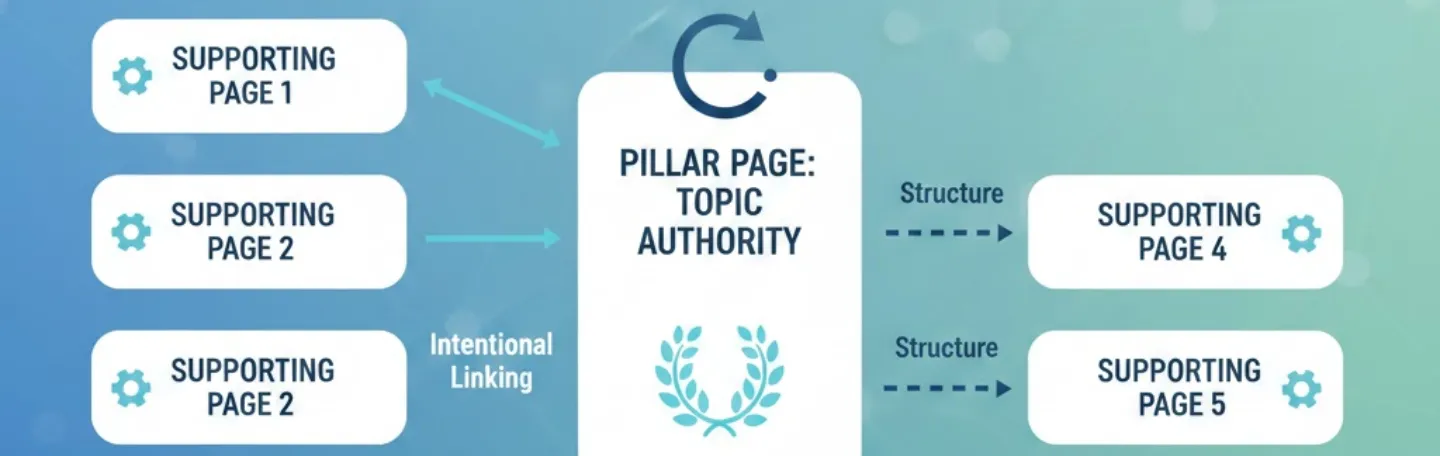
- Pillar pages cover broad topics and attract authority
- Supporting pages go deeper into specific subtopics
Internal links should flow:
- From pillar → supporting pages (depth)
- From supporting → pillar pages (reinforcement)
- Between related supporting pages (context)
This structure strengthens internal linking SEO and topical relevance.
Step 2: Identify Pages That Should Receive More Internal Links
Not all pages are equal.
Prioritize internal links toward:
- High-conversion pages
- Strategic service pages
- Pages ranking on page 2–3
- Content targeting competitive keywords
For example, content explaining how to use ai for on-page seo should receive internal links from related SEO articles to reinforce its importance.
Step 3: Use Contextual Links (Not Navigation Links)
Menu links help with crawlability, but contextual links do the real SEO work.
Contextual links:
- Appear within the body content
- Are surrounded by relevant text
- Pass stronger semantic signals
This is why blog content plays such a big role in internal linking strategies.
Anchor Text Best Practices
Good anchor text:
- Describes the linked page clearly
- Sounds natural in the sentence
- Uses variation, not repetition
Avoid:
- “Click here”
- Keyword stuffing
- Linking the same anchor repeatedly
Internal links should read like recommendations, not instructions.
Step 4: Build Topic Clusters with Internal Linking
Topic clusters are the backbone of modern SEO.
Instead of isolated posts, you create:
- One core topic page
- Multiple supporting articles
- Strong internal linking between them
This approach:
- Improves topical authority
- Helps Google understand relevance
- Increases ranking stability
When paired with AI-driven insights, clusters become easier to manage and scale.
Step 5: Scaling Internal Linking with AI
Manual internal linking works on small sites—but it breaks down fast.
This is where AI tools come into play.
Platforms like search atlas ai seo software analyze:
- Site-wide content
- Semantic relevance
- Existing link structures
- Missed linking opportunities
Instead of guessing where to link, AI identifies contextual, relevant opportunities automatically.
That’s a practical evolution of internal linking seo, not a shortcut.
Step 6: Automating Internal Linking with OTTO
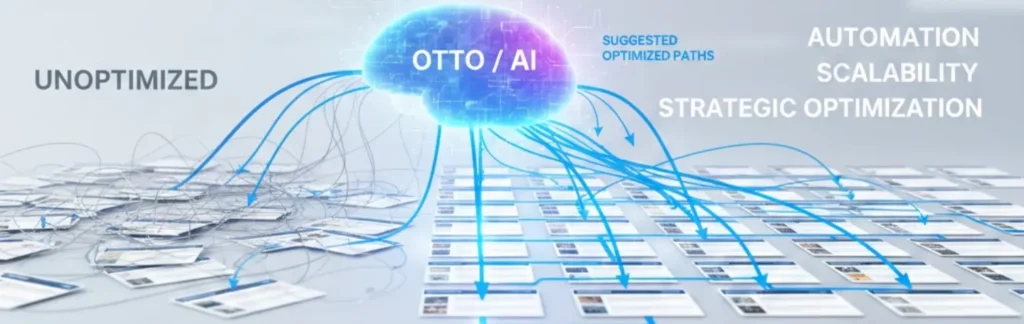
OTTO goes beyond analysis—it helps with execution.
Using OTTO, internal linking can be:
- Systematic instead of manual
- Context-aware instead of random
- Scalable across large content libraries
OTTO identifies where links should exist based on topic relationships, not just keywords.
This ensures internal links strengthen authority rather than dilute it.
Why Implementation Matters More Than Tools
Many teams invest in tools but never fully implement them.
That’s why SEO OTTO Implementer Services exist—to bridge the gap between insight and action.
With implementation services:
- Internal linking rules are configured correctly
- Topic clusters are aligned with business goals
- Changes are monitored and refined over time
This turns internal linking into a repeatable system, not a one-time cleanup.
Step 7: Internal Linking for Content Updates and Refreshes
Internal links shouldn’t stay static.
Every time you:
- Publish new content
- Update an existing article
- Expand a topic cluster
You should revisit internal links.
AI-powered platforms make this easier by:
- Surfacing new linking opportunities
- Updating outdated links
- Maintaining cluster integrity
This keeps your site structure aligned with search behavior.
Step 8: Measuring Internal Linking Success
Internal linking improvements don’t always show immediate results—but the signals are there.
Track:
- Crawl depth improvements
- Indexation of deeper pages
- Ranking lifts on linked pages
- Increased time on site
- Reduced bounce rates
These indicators show your internal linking strategy is working.
Internal Linking and User Experience
SEO aside, internal links shape how users experience your site.
Strong internal linking:
- Guides readers logically
- Answers follow-up questions
- Builds trust through helpfulness
When users stay longer and explore more pages, SEO benefits follow naturally.
How Internal Linking Supports Other SEO Strategies
Internal linking doesn’t work in isolation.
It strengthens:
- On-page SEO
- Content optimization
- Topical authority
- Conversion paths
That’s why internal links often connect to cornerstone resources like guides on how to use ai for on-page seo, reinforcing both relevance and usability.
Final Thoughts: Internal Linking as a Long-Term Advantage
Internal linking is one of the rare SEO tactics that:
- Costs nothing in ad spend
- Compounds over time
- Scales with the right systems
- Improves both rankings and UX
A thoughtful internal linking strategy turns your website into a connected ecosystem instead of a collection of pages.
Whether you manage it manually, enhance it with search atlas ai seo software, or fully implement it through SEO OTTO Implementer Services, the goal is the same:
Clear structure. Strong relevance. Better rankings.
And unlike many SEO tactics, this one is entirely within your control.